

 EUR 2,000
 UK
UK Europe
 CARD
CARD Travel insurance
 International eSIMs



 A budget
 Recalculate



FAQ Relating to Irish Currency
Back to top- What was the Irish currency before euro?
Before adopting the euro in 2002, the official currency in the Republic of Ireland was the Irish pound (also known as the punt). It is no longer legal tender and cannot be used to pay for goods or services.
- Does Ireland use euros or pounds?
The Republic of Ireland uses the euro (€) as its official currency, while Northern Ireland, as part of the UK, uses pound sterling (£). If you plan on exploring both areas, be aware that euros are not accepted in the North, and British pounds are not accepted in the Republic. However, some shops near the border do accept both currencies.
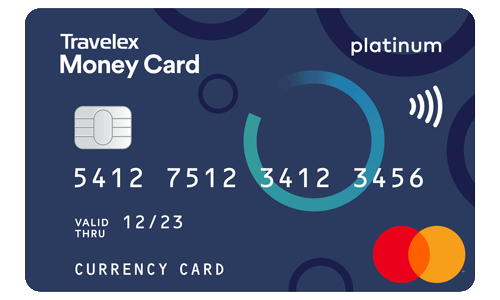
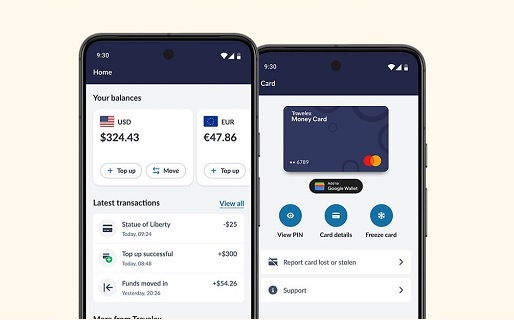
To avoid currency confusion and fees, consider using a Travelex travel money card — you can load both euros and pounds on one card, ready to use wherever Mastercard is accepted.
- What is the symbol used for Irish currency?
The symbol for the euro is € and its currency code is EUR.
- What is the best currency to take to Ireland?
If you're travelling to the Republic of Ireland, bring euros — it's the only legal tender and the most commonly accepted form of payment. Many travellers also carry a mix of debit cards, Visa credit cards, and some cash for smaller purchases or in more rural areas.
If you're visiting Northern Ireland too, make sure you also have pound sterling. A prepaid Travel Money Card can help you manage both currencies with ease and avoid hidden fees.
- Do you tip in Ireland?
Tipping in Ireland is appreciated but not mandatory. In restaurants, it’s common to tip around 10% if service isn’t already included in the bill. In taxis, rounding up the fare is standard and you’re not expected to tip in pubs. Card payments are accepted for tips in many places, but some smaller venues may prefer cash.
- Are credit cards widely accepted in Ireland?
Yes, debit cards and Visa/Mastercard credit cards are widely accepted in most shops, restaurants and hotels across the Republic of Ireland. Irish banks support contactless payments and mobile wallets too.
However, some rural businesses and markets may only accept cash, and public transport (like buses outside Dublin) often won’t take card payments. To cover all bases, many travellers carry some euro cash in addition to cards to avoid missing out or facing additional fees.