Buy Currency

A Guide to Currency in Japan

From denominations to payment options, discover everything you need to know about the Japanese yen — all in one place.

Planning a trip to Japan?

Understanding how Japanese currency works before you go can help you avoid confusion at the checkout and make budgeting easier while you're away.

We've broken down the essentials, from using cash and cards to understanding yen denominations, so you can arrive ready to spend with confidence.
What currency does Japan use?

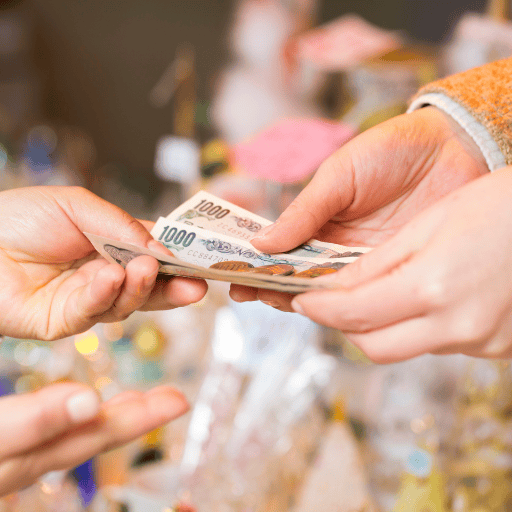
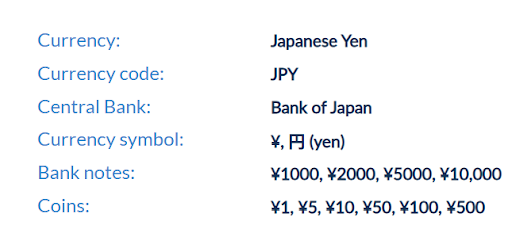
The official currency in Japan is the Japanese Yen, often abbreviated as JPY and represented by the symbol ¥.

You'll hear locals simply refer to it as "yen", and prices throughout Japan are displayed using the ¥ symbol.

The Japanese yen is one of the world's most traded currencies and plays an important role in global financial markets.

Japanese yen denominations

Before you start spending in Japan, it's worth getting familiar with Japanese currency notes and coins. Travelex Tip: Japan still has plenty of vending machines, coin lockers and small local businesses that prefer cash, so keep a mix of notes and coins handy.

¥

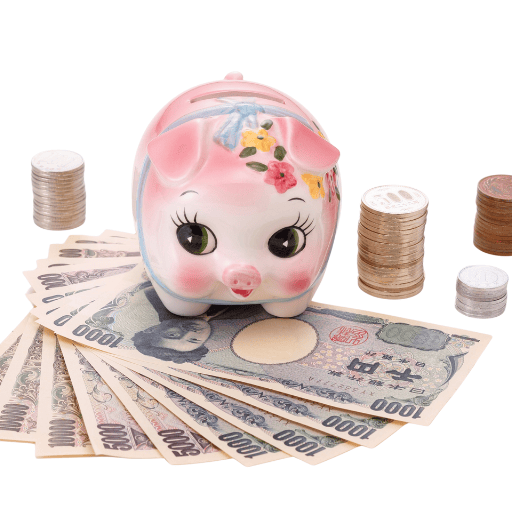
Japanese currency notes

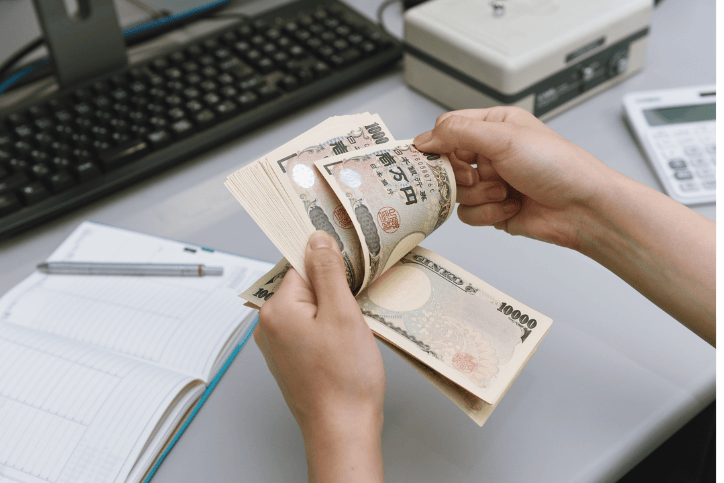
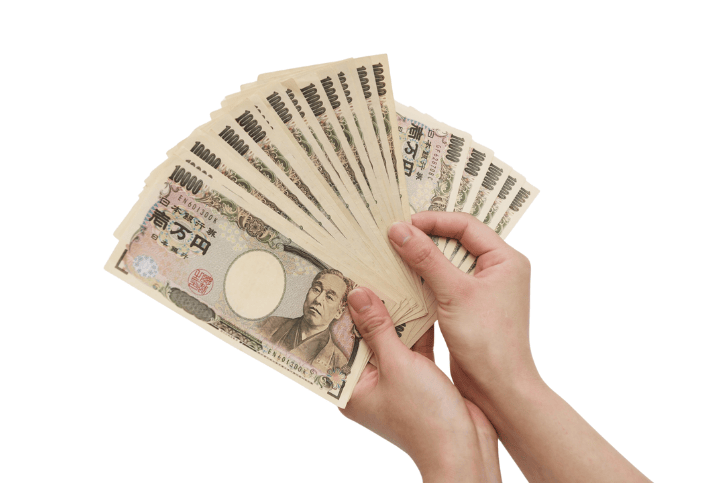
Japan's banknotes are easy to identify thanks to their distinct colours and designs.

¥1,000 – blue
¥5,000 – purple
¥10,000 – brown
¥2,000 – green (rare)
¥

Japanese coins

Japanese coins are widely used for everyday purchases, vending machines and public transport.

¥1
¥5
¥10
¥50
¥100
¥500

Payment options in Japan

Japan has become increasingly card-friendly in recent years, but cash still plays an important role in everyday transactions. Many travellers find that carrying both cash and cards offers the most flexibility.

Japanese Yen Cash

Perfect for: Small restaurants, temples, markets & vending machines.
Pros: Widely accepted, handy in rural locations.
Cons: Less secure than cards, harder to track spending.

Why use foreign cash?

  • While major cities accept cards in many places, cash remains common at local eateries, shrines, markets, rural businesses and some transport services.
  • Having yen on hand helps you avoid being caught out when card payments aren't available.

Things to consider:

  • Japan is generally very safe, but avoid carrying more cash than you need for the day.
  • Cash can make budgeting harder as it's more difficult to track spending compared to digital payments.

Japan Prepaid Travel Card

Perfect for: Everyday spending, budgeting and safer travel.
Pros: Reload online, lock in exchange rates, easy replacement if lost.
Cons: ATM fees may apply, top-up times can vary.

Why use a prepaid travel card?

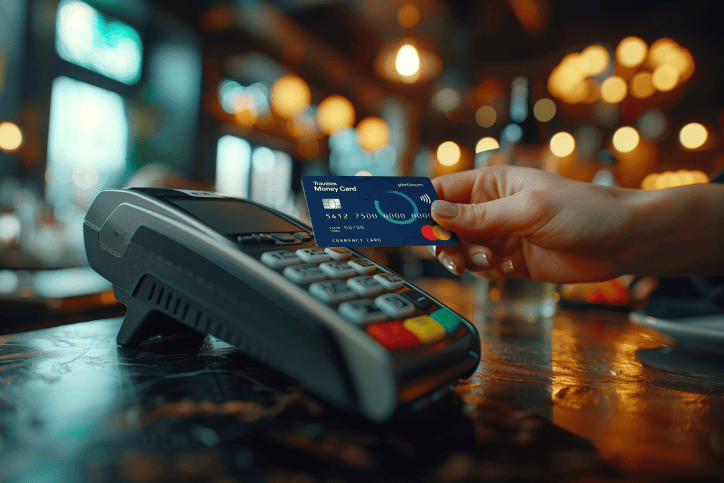
  • Travel money cards let you load yen in advance using Australian dollars.
  • They’re safer than carrying a lot of foreign cash and easy to cancel or replace if lost. Many cards let you order a backup to take with you.
  • You can lock in your JPY exchange rate at your time of purchase to avoid any hidden costs.*

Things to consider:

  • ATM withdrawals may attract fees depending on the provider.
  • Reloading your card may take a day or two, so plan ahead for top-ups.

Japan Debit or Credit Card

Perfect for: Hotel deposits, car hire, emergencies.
Pros: Convenient, widely accepted across Japan.
Cons: Foreign transaction fees, not ideal for smaller purchases.

Why use a debit or credit card?

  • Major cards such as Visa and Mastercard are widely accepted in hotels, department stores, chain restaurants and tourist attractions across Japan.
  • They're particularly useful for larger purchases and travel bookings.

Things to consider:

  • Some smaller restaurants, traditional inns (ryokans), temples and local businesses still operate on a cash-only basis.
  • Australian bank cards may charge international transaction and currency conversion fees, so check with your provider before travelling.

Japan money tips

Money works a little differently in Japan, and knowing what to expect can help your trip run more smoothly. Here are some essential tips for spending money in Japan with confidence.

  • Cash is still important. While card acceptance continues to improve, many smaller businesses, temples, markets and regional destinations still prefer cash payments.
  • ATMs are widely available. Convenience stores such as 7-Eleven, FamilyMart and Lawson often provide foreign-card-friendly ATMs.
  • Tipping is not expected. Unlike many Western countries, tipping is generally not part of Japanese culture and can sometimes cause confusion.

See the latest AUD to JPY exchange rates and today’s market updates.