Denominations of the USD
Before you start spending in the States, get familiar with US notes and coins.
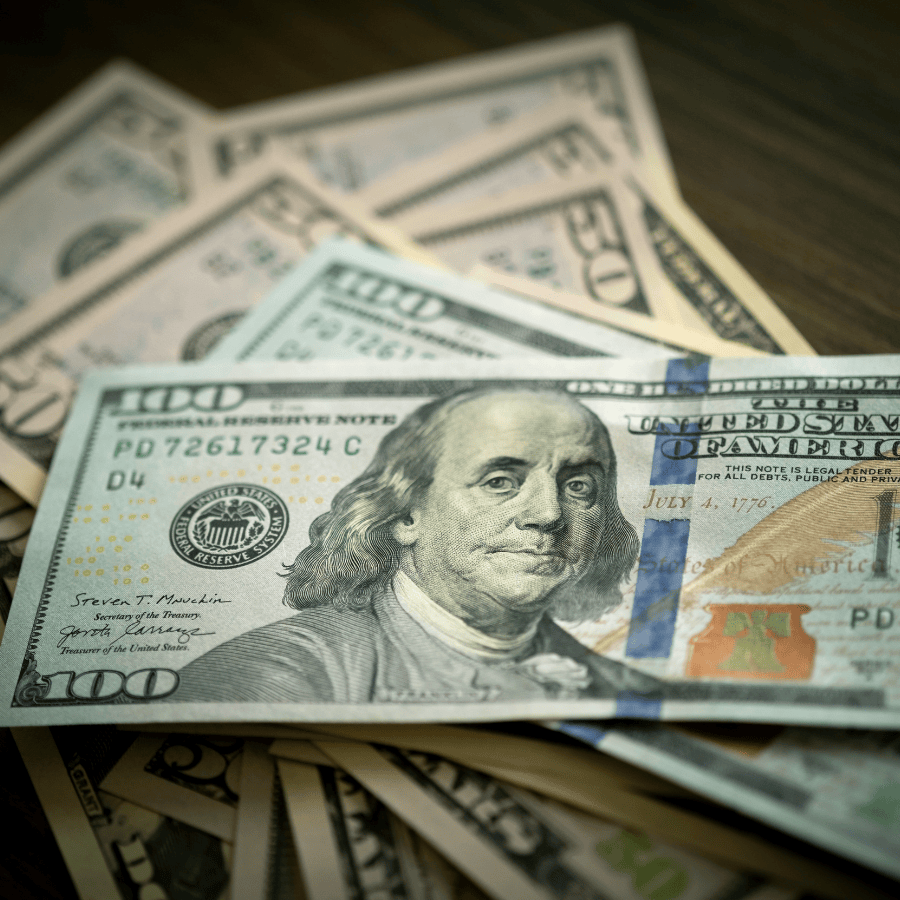
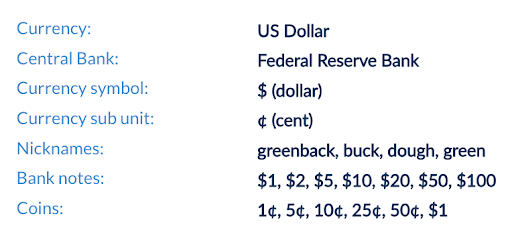
American notes
All the same size; colours make them easy to spot.
$1 – grey-green
$5 – purple tones
$10 – orange-brown
$20 – green
$50 – red and grey
$100 – blue and green
American coins
Ideal for vending machines, parking meters and tips.
1¢ – penny
5¢ – nickel
10¢ – dime
25¢ – quarter
50¢ – half dollar (less common)
$1 – dollar coin (rare)
Travelex Tip: Got leftover US coins? Use them for tips, vending machines, or to grab a last-minute snack before you fly home.
Payment options in the US
Payment methods are consistent across the US. Cards are widely accepted, but cash is still handy for smaller purchases, tips, or rural areas.
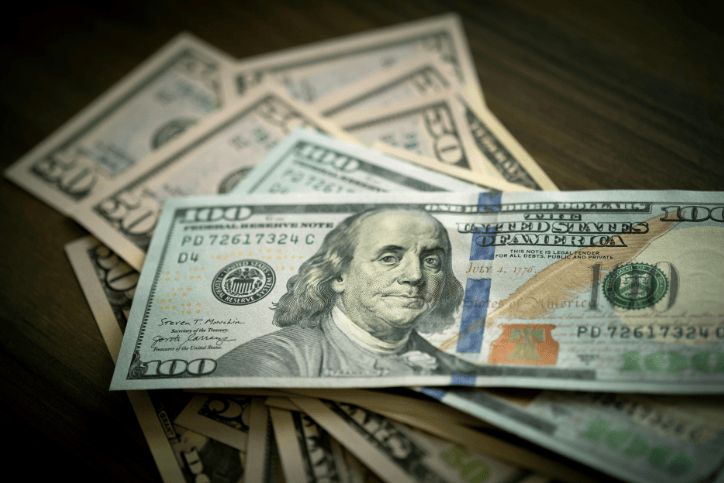
US Cash
- Perfect for: Tipping, taxis, diners & small businesses.
- Pros: Widely accepted, handy in rural areas.
- Cons: Harder to track spending, not as secure
Why use foreign cash?
- US dollars are accepted everywhere in the States, making them a reliable payment option—especially at places that don't take cards, like street vendors, food trucks, or local bars.
- Having foreign currency on you also makes it easy to tip at pubs or restaurants, which is a big part of US service culture.
Things to consider:
- Pickpocketing can happen in busy cities, so avoid carrying large sums of cash.
- Cash can make budgeting tricky, as it’s harder to track your spending.
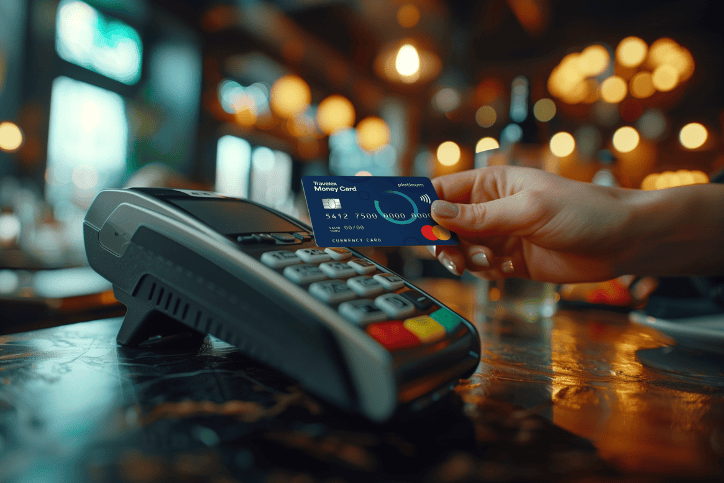
US Prepaid Travel Card
- Perfect for: Safer travel with locked-in exchange rates.
- Pros: Reload online, store multiple currencies, easy replacements.
- Cons: Top-up times can vary, some ATM fees apply.
Why use a prepaid travel card?
- Travel money cards let you load USD in advance using Australian dollars.
- They’re safer than carrying a lot of foreign cash and easy to cancel or replace if lost. Many cards let you order a backup to take with you.
- You can lock in your USD exchange rate at your time of purchase to avoid any hidden costs.*
Your trip to the USA starts with a USD Travel Money Card.
Things to consider:
- ATM withdrawals may attract a small fee.
- Reloading your card may take a day or two, so plan ahead for top-ups.
US Debit or Credit Card
- Perfect for: Hotel deposits, car hire, emergencies.
- Pros: Convenient, widely accepted across the US.
- Cons: Foreign transaction fees, not ideal for smaller purchases.
Why use a debit or credit card?
- US stores, hotels and restaurants widely accept major cards like Visa and Mastercard.
- They’re great for booking deposits and big expenses without dipping into your travel money.
Things to consider:
- Smaller places—like cafes, bars or food trucks— often prefer cash to avoid processing fees.
- There may be minimum amounts required to spend on cards in stores.
- Bank cards may charge 2–5% in international transaction fees, so watch your spending.